Can You Use Stainless and Carbon Steel
for Autoclave Manufacturing?
As one of the top autoclave manufacturers in North America, Beta Star life science sterilizing equipment is engineered and built to exacting standards with only the highest-grade materials available. That’s why all of our autoclaves are exceptionally reliable, highly adaptable, easy to use, and the equipment of choice in the laboratory, biotech, and pharmaceutical industries. Being a premier autoclave manufacturer means that every Beta Star sterilizer is able to handle the most demanding jobs, while minimizing downtime and maintaining dependability cycle after cycle. How do we do it? It all starts with stainless steel.
The “Riddle of Steel”

Steel is actually an entire family of metal alloys, with hundreds of application-specific grades. However, for this comparison we are only concerned with two different categories: stainless steel and carbon steel. Although stainless steel and carbon steel both contain the same basic ingredients of iron and carbon, their main difference is alloy content. Carbon steel has less than 10.5 percent alloy content, while stainless steel must contain 10.5 percent of chromium or more. It is this essential difference that gives the two steels their distinct physical characteristics – and why Beta Star only uses 100 percent stainless in its autoclave manufacturing.
In general, steels with higher carbon content (carbon steel) are hard and brittle, while steels with lower carbon content (stainless) are able to deform without losing toughness, are pliable, and can sustain significant plastic deformation under tensile stress before failure. In short, this means a significant difference in expansion and contraction rates between the two steels. Stainless steel can expand 34 percent more than carbon steel, which is a critical consideration when deciding which steel to use for an autoclave steam jacket.
The Problem With Rust for an Autoclave Manufacturer
Stainless steel is specifically designed to resist moisture or atmospheric induced oxidization. It contains a minimum chromium content of 10.5 percent by mass, which creates a protective barrier between environmental oxygen and the metal’s iron content. This prevents any corrosion or rust development. It is for this simple reason that Beta Star only builds autoclaves with a stainless steel jacket.
Carbon steel does rust and corrode when exposed to moisture because it lacks the corrosion-resistant properties contained in stainless steel. Due to the missing chromium in carbon steel, it does not last as long as stainless steel, nor does it withstand extreme temperature changes without damage. Even small amounts of moisture, including atmospheric vapor, will cause carbon steel to rust. Since carbon steel can be damaged from moisture exposure, in certain situations steam will degrade the material at rates of 0.05 inches per year in extreme use environments.
While maintaining autoclave chamber integrity is easy given the ability to clean inside the chamber, the same cannot be said about outside the chamber between the carbon steel jacket. Since that cannot be cleaned, rust residue continues to accumulate on those surfaces. Over 15 years (which is the industry standard chamber warranty) it could result in a three-quarters of an inch erosion of carbon steel – which is far thicker than any jacket material. Ultimately this leads to failure of the autoclave’s carbon steel jacket, with all of the associated consequences.
Beta Star Manufactures Better
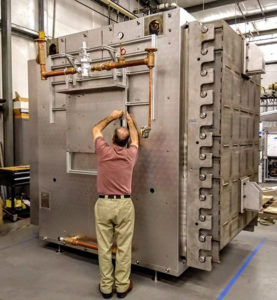
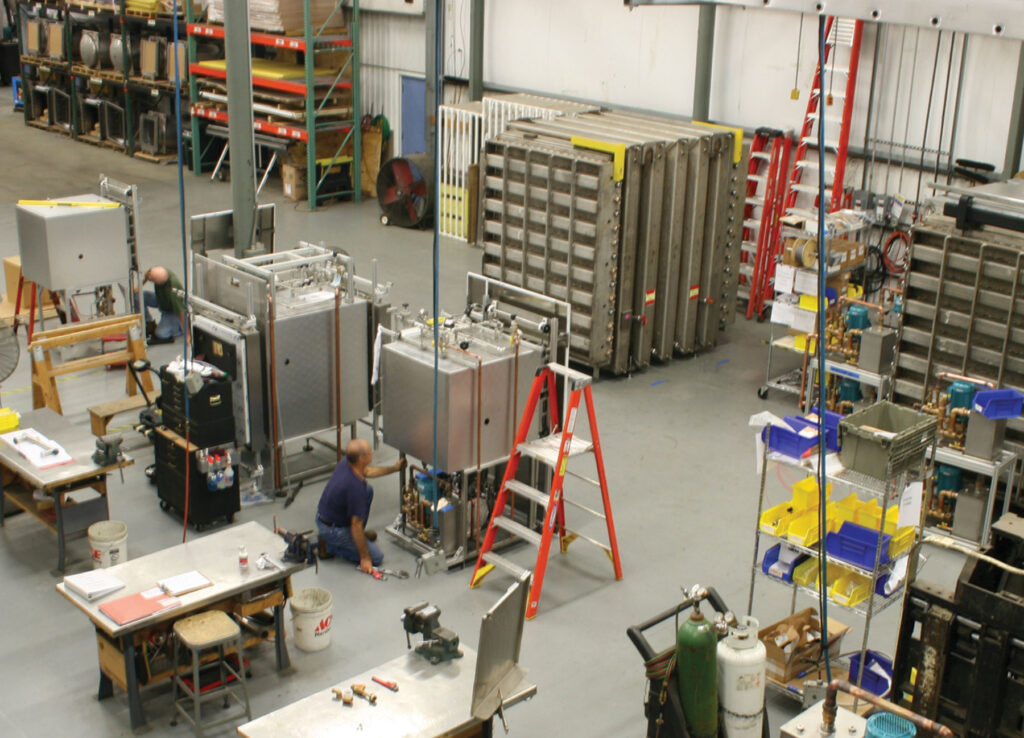
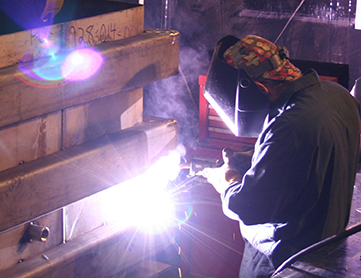
All Beta Star autoclaves come with a 100 percent stainless steel chamber and jacket, and are welded, assembled, completed, and acceptance tested through a full cycle in a facility that handles only stainless and alloy metals. This prevents any cross-contamination during the manufacturing process. Using only stainless steel, our small, medium, and bulk throughput autoclave chambers can regularly hold up to 12,960 pounds of force on just the chamber door alone, safely maintaining vital structural integrity. Some manufacturers use stainless steel chambers inside but carbon steel jackets outside. This puts additional stresses on joint welds because of the two different materials, which then become potential weak points. So when it comes time to choose your next autoclave, think simple, reliable, stainless, sterilization solutions from Beta Star.
Take Advantage of Custom Autoclave Manufacturing with a Streamlined Approach
For more information about what to consider when selecting an autoclave manufacturer, visit the Autoclave Manufacturer post or any of the subtopics listed below:
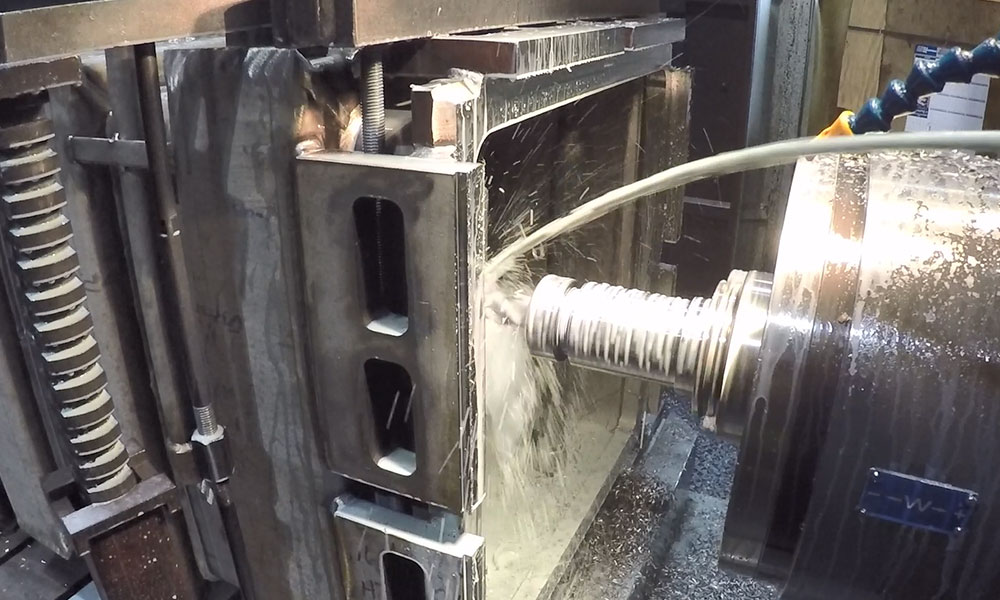
- Why the machining process matters when considering an autoclave manufacturer.
- Why trusting a Single Source, USA Manufacturer matters.
- Why working with a custom autoclave manufacturer matters for your existing building project.
Article Sources
- What Can and Cannot be Autoclaved (Beta Star): https://betastar.com/what-can-cannot-be-autoclaved/
- Erosion-Corrosion in Wet Steam (US Department of Energy): https://www.osti.gov/etdeweb/servlets/purl/411309
- Carbon Steel vs. Stainless Steel (Reliance Foundry): https://www.reliance-foundry.com/blog/carbon-steel-versus-stainless-steel
- What’s the Difference Between Stainless Steel and Carbon Steel (Monroe Engineering): https://monroeengineering.com/blog/whats-the-difference-stainless-steel-vs-carbon-steel/
- Advantages of Stainless Steel Tanks vs. Carbon Steel Tanks (Herpasa): https://herpasa.com/en/blog/2/23/advantages-of-stainless-steel-tanks-versus-carbon-steel-tanks